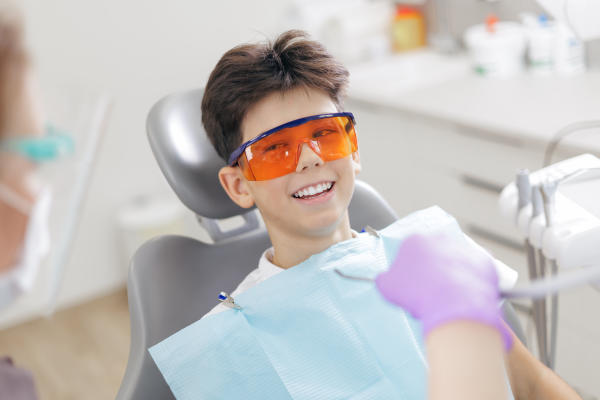
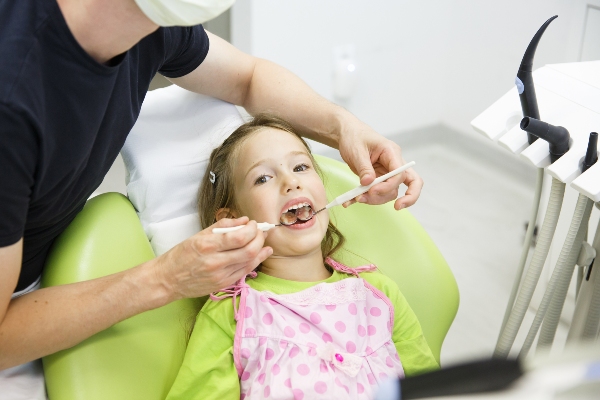
 A kid-friendly dentist can treat tooth decay in children and prevent more severe issues from developing. It is helpful for parents to understand how a kid-friendly dentist can treat tooth decay, the signs that indicate tooth decay may be developing, and how to prevent future instances of tooth decay.
What is tooth decay?
Tooth decay, also known as a “cavity,” is a tiny hole in a tooth. These holes typically result from an acidic reaction that breaks down the enamel, or the tooth’s outermost layer. Tooth decay is often the result of infrequent or improper brushing and flossing, which allows bacteria to accumulate and plaque to build up on the tooth’s surface. Certain foods and drinks also contribute to its development. Tooth decay is irreversible, and treatment aims to fill or cover the damaged portion of the tooth to maintain its structure and prevent more extensive damage.
Signs of tooth decay
The signs of tooth decay vary based on the tooth location of the decay. It typically begins with discoloration. It can often be treated through fluoride treatment and good oral hygiene if detected in the early stages. After the enamel erodes, it typically leads to more severe symptoms such as tooth sensitivity. At this stage, the decay requires more extensive treatment.
Tooth decay prevention and treatment from a kid-friendly dentist
The best way to deal with tooth decay is to prevent it from developing at all. Unfortunately, this is not always possible, especially among children who are often more vulnerable to tooth decay. When tooth decay develops, a kid-friendly dentist can treat it in the least invasive and most effective way possible to preserve the tooth and prevent tooth loss.
Preventing tooth decay
Kid-friendly dentists do everything they can to help their patients prevent tooth decay from developing. These preventive measures primarily include a consistent oral care routine, which includes brushing, flossing, and using mouthwash daily. Kid-friendly dentists may also recommend fluoride treatment or dental sealants to prevent tooth decay from occurring.
The importance of good oral hygiene
Good oral hygiene is the best way to prevent tooth decay. For children, this should include brushing two to three times per day, flossing regularly, and using mouthwash once per day. Parents are also strongly encouraged to limit their child’s sugar consumption to reduce the risk of tooth decay.
Treating tooth decay
Kid-friendly dentists commonly treat tooth decay in children with dental fillings. Having a cavity filled involves removing the decayed portion of the tooth and filling it with substitute material. There are different types of filling materials; some are tooth-colored. For more severe cases of tooth decay, the kid-friendly dentist may recommend a baby root canal or tooth extraction.
Visit a kid-friendly dentist today
Call our team to learn more about tooth decay treatment for children. Our kid-friendly dental team can answer your questions and schedule a consultation to discuss all available treatment options. Protect the health of your child’s smile, and call our office today.
Request an appointment or call Hudson Valley Pediatric Dentistry at 845-363-4177 for an appointment in our Middletown office.
Recent Posts
Children's dental services can help prevent cavities by protecting young teeth, supporting strong enamel, and helping families build better oral hygiene habits. Pediatric dentists focus on prevention because children's teeth can develop decay quickly when plaque, bacteria, and sugary foods affect the enamel. Routine care helps identify small concerns early and gives children the support…
A kids dentist can restore teeth with tooth decay or cavities through treatments such as dental fillings and crowns. However, the best treatment is always prevention. Fortunately, a kids dentist has tips and techniques to help parents and children prevent cavities before they can form. Following these tips makes it possible for your child to…
A kids dentist can prevent, treat, and reverse gum disease. Through comprehensive dental treatments, they can address the bacterial buildup that contributes to the earliest stage of gum disease, also known as gingivitis. Comprehensive gingivitis treatments may involve deep dental cleanings, enhanced oral hygiene, and other approaches. The goal is to effectively treat and reverse…