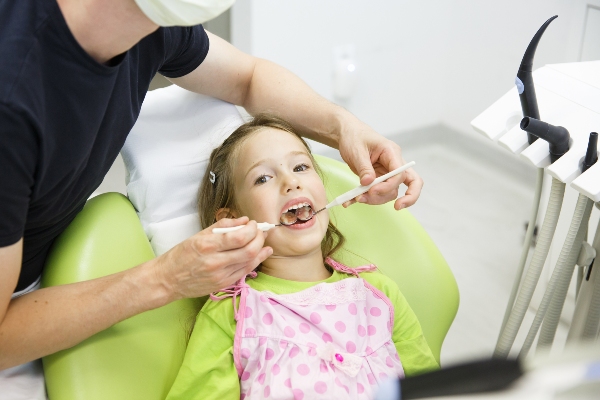
 Your pediatric dentist is a valuable resource for gum health and teeth sensitivity advice. Most people understand that learning proper brushing skills in childhood is important, but there is more to good oral health. You can affect your child’s gum health. With poor gum health, your child could develop sensitive teeth. This condition can cause children to refuse to eat and drink certain foods. Your child may not know how to explain to you that their teeth feel sensitive, so prevention is essential.
How sensitive teeth develop
Sensitive teeth develop in several ways. One common problem is when the enamel coating on the tooth thins. This exposes the nerves to foods, air, and hot and cold beverages. Eating and drinking certain things can cause a lot of pain. Baby teeth have thinner enamel than permanent teeth, so sensitive teeth can develop quickly.
A starchy or acidic diet can cause bacteria to grow along the gumline. This causes gums to become inflamed and gingivitis to develop. The gums can pull away from baby teeth, further exposing them to bacteria growth. Baby teeth also do not have deep roots like adult teeth. As the gums pull away, baby teeth can loosen and fall out too soon.
Children have to learn proper brushing techniques. It is common for children not to brush their teeth properly. Children may not brush every tooth, or they could brush too hard. If a child misses brushing a tooth or a section of the mouth, bacteria can grow along the gumline and damage the tooth enamel. Tooth sensitivity and even a cavity can develop. If a child brushes too hard, it can also damage the tooth enamel.
How to prevent teeth sensitivity
Parents, with the support of their kids’ pediatric dentist, can teach children how to brush both the teeth and the gums. By taking the time to brush all the teeth carefully, children can learn proper techniques and prevent gum disease and teeth sensitivity. Healthy gums will support and protect the teeth. Parents should also help children establish a good flossing habit.
A healthy diet is instrumental in promoting good gum health. Parents can avoid giving children soda, which is acidic and can damage tooth enamel. Fruit juices can also be acidic and sugary. Starchy and processed foods feed bad bacteria, which often hide just under the gumline. A healthy diet also supplies all the vitamins that children need to support gum health.
The pediatric dentist takes gum health seriously
Getting regular checkups with the pediatric dentist helps your child stay on course with gum health and prevents teeth sensitivity. The pediatric dentist will advise you on brushing and flossing techniques appropriate for the age of your child. You can discuss your concerns about diet or other oral issues. The dentist can also perform regular deep teeth cleanings to remove plaque and tartar from the teeth and gums. Supporting the gums helps support the teeth and create a healthier mouth.
Request an appointment or call Hudson Valley Pediatric Dentistry at 845-363-4177 for an appointment in our Middletown office.
Recent Posts
Kids dental crowns reinforce a decayed or damaged tooth, restoring its function and beauty. These are just two of the many benefits of crowns. For instance, they also require minimal aftercare. Children of all ages can benefit in different ways from these versatile restorations.Kids dental crowns can restore a variety of dental conditions. They are…
Kids dental crowns are popular dental restorations that preserve and enhance the function of damaged or weakened teeth. These custom-made caps are designed to fit over the existing tooth, providing structural support and appearance improvements. However, not all dental crowns are created equal. The type of dental crown can significantly impact its longevity and aesthetic…
Kids dental crowns are a valuable investment in your child's oral health and smile's appearance. Whether they have received crowns to restore damaged teeth or for cosmetic reasons, it is important to properly care for them to ensure they last a long time. Here are some essential tips to help maintain the longevity and aesthetics…